AI-Powered Crypto Scams: Solana CISO Warns of Rising Threats
Solana Foundation's Chief Information Security Officer reveals how artificial intelligence is elevating cryptocurrency fraud. Learn the warning signs and protection strategies.

The intersection of artificial intelligence and cryptocurrency security has emerged as one of the most pressing concerns in the digital finance landscape. Recently, the Solana Foundation’s Chief Information Security Officer (CISO) issued a critical warning that AI-powered crypto scams are becoming increasingly sophisticated and difficult to detect. This development marks a significant shift in how fraudsters operate within the blockchain ecosystem, leveraging machine learning algorithms to create more convincing phishing messages, deepfake videos, and social engineering attacks that target unsuspecting cryptocurrency investors.
The cryptocurrency industry has always grappled with fraud, but the integration of artificial intelligence in scam tactics represents an unprecedented challenge. Traditional cryptocurrency fraud prevention methods relied on identifying obvious red flags—grammatical errors, suspicious links, and generic messaging. However, as AI technology advances, scammers now employ natural language processing to craft nearly indistinguishable fraudulent communications that mimic legitimate exchanges, wallets, and blockchain projects. The Solana Foundation, a major player in the blockchain space, has taken the initiative to sound the alarm about this emerging threat, emphasizing that both individual investors and institutional stakeholders must adapt their security awareness and protective measures.
This comprehensive article explores the warning issued by the Solana Foundation’s CISO, the mechanisms through which AI enhances cryptocurrency fraud, and the practical steps investors and businesses can take to protect themselves against these increasingly convincing scams. Understanding these threats is essential in today’s digital economy where billions of dollars in cryptocurrency assets remain vulnerable to sophisticated attacks.
The Solana Foundation’s Critical Warning
The Solana Foundation CISO has become a vocal advocate for heightened security awareness in the cryptocurrency community, emphasizing that AI-driven blockchain scams represent a fundamental shift in the threat landscape. The warning wasn’t issued in isolation; rather, it reflects observations of real-world incidents where artificial intelligence in fraud has successfully compromised accounts, stolen private keys, and redirected substantial cryptocurrency holdings to malicious actors.
The primary concern articulated by the CISO centers on the accessibility of AI technology for scammers. Advanced language models and machine learning platforms are now widely available and affordable, democratizing the tools that previously required substantial technical expertise and resources. This democratization of technology means that even relatively unsophisticated threat actors can now deploy AI-powered phishing campaigns with professional-grade accuracy and personalization. The Solana Foundation’s warning specifically highlights how these tools enable scammers to analyze vast amounts of communication data from legitimate cryptocurrency projects, learning the exact tone, terminology, and messaging patterns that make such communications appear authentic.
Furthermore, the CISO emphasized that AI chatbots and deepfake technology can create convincing video impersonations of known blockchain entrepreneurs, exchange executives, and cryptocurrency influencers. These synthetic media creations can be distributed through social media platforms, embedded in fraudulent websites, or used in targeted social engineering attacks to convince victims that they’re receiving legitimate guidance or announcements from trusted figures in the cryptocurrency space. The sophistication of these deepfakes has reached a point where even cautious investors might struggle to distinguish genuine communications from AI-generated impersonations.
How Artificial Intelligence Enhances Cryptocurrency Fraud
The Mechanics of AI-Powered Crypto Scams
AI-enhanced cryptocurrency fraud operates through several interconnected mechanisms that work in concert to deceive victims. At its foundation, machine learning algorithms analyze patterns in legitimate blockchain communications—emails from exchanges, security alerts from wallets, support messages from cryptocurrency projects—to understand exactly what makes these messages appear trustworthy. By processing thousands of examples, these algorithms can identify the specific linguistic patterns, formatting conventions, and psychological triggers that make communication appear legitimate.
The sophistication of natural language processing technology enables scammers to generate personalized phishing messages that reference specific details about a victim’s account, trading history. Or investment portfolio. Instead of generic messages requesting password updates, AI-powered scams might reference actual trades executed by the victim, recent market movements they’ve engaged with, or specific times they’ve accessed their cryptocurrency exchange. This level of personalization dramatically increases the likelihood that victims will trust the fraudulent communication and take the requested action, such as clicking a malicious link or entering their credentials into a fake login page.
Deepfakes and Synthetic Media in Cryptocurrency Fraud
Deepfake technology represents another critical vector through which AI enhances cryptocurrency scams. Blockchain and cryptocurrency projects frequently rely on video communications—whether through promotional materials, educational content. Or official announcements from project leadership. Scammers can now use AI video generation tools to create convincing impersonations of well-known cryptocurrency figures. Claiming to announce new token distributions, investment opportunities, or security updates. These synthetic video messages can be extraordinarily difficult to distinguish from authentic communications. Especially when viewed on mobile devices or shared through social media platforms where quality might be compressed.
The deployment of deepfakes extends beyond simple video impersonations. AI-generated voice technology can replicate the speech patterns and vocal characteristics of cryptocurrency executives. Enabling fraudsters to conduct sophisticated voice-based social engineering attacks. Imagine receiving a call from what appears to be your cryptocurrency exchange’s security team, with a voice that perfectly matches that of a known executive, requesting verification of your account credentials or requesting you to authorize large transfers. The combination of AI voice synthesis and social engineering tactics creates a nearly impenetrable layer of deception.
Personalized Phishing and Account Compromise
Personalized phishing attacks powered by AI represent perhaps the most immediate threat to individual cryptocurrency investors. Traditional phishing campaigns relied on casting wide nets with generic messages, accepting low conversion rates in exchange for broad reach. AI-powered phishing, by contrast. Uses machine learning to identify high-value targets and tailor messages specifically to their circumstances. The algorithm might identify accounts holding substantial cryptocurrency balances. Analyze the victim’s transaction history to understand their investment preferences, and craft phishing messages that reference specific aspects of their portfolio.
The level of personalization achieved through artificial intelligence in cybersecurity attacks can be staggering. A fraudster might receive an email that references the victim’s recent purchase of a specific token. Warns about a vulnerability in the wallet they’re using, and directs them to a nearly-perfect replica of the legitimate exchange or wallet interface where they can “verify their holdings” or “confirm their identity.” By the time the victim realizes they’ve been deceived, their private keys, seed phrases. Or cryptocurrency holdings may already have been transferred to the scammer’s address.
The Current Crypto Security Landscape
Existing Vulnerabilities in Blockchain Security
The cryptocurrency industry has long grappled with security challenges in digital finance, but AI-powered threats have exposed weaknesses in traditional protective measures. Most cryptocurrency fraud prevention strategies were designed to combat obvious scams—overly obvious phishing emails. Poorly executed impersonations, and generic social engineering attempts. These defenses work reasonably well against crude attacks but prove largely ineffective against AI-enhanced fraud tactics that can mimic legitimate communications with uncanny accuracy.
Blockchain technology security, while robust at the protocol level, offers limited protection against human vulnerability. The immutability of blockchain transactions is simultaneously a feature and a liability—it ensures that legitimate transactions cannot be reversed. But it also means that fraudulent transactions, once executed. Cannot be undone. Users remain the weakest link in the cryptocurrency security infrastructure, and AI-powered attacks are specifically designed to exploit human psychology and perception rather than technical vulnerabilities.
The challenge is further complicated by the global nature of cryptocurrency. A scam perpetrated using AI-generated communications might originate from any country, with the perpetrator remaining largely anonymous thanks to cryptocurrency’s pseudonymous nature. Traditional law enforcement approaches struggle to investigate and prosecute these crimes. Particularly when sophisticated machine learning has been employed to obscure the attacker’s identity and origin.
Why Traditional Security Measures Fall Short
Traditional cybersecurity defenses developed for conventional banking and financial institutions often prove inadequate for protecting against AI-driven cryptocurrency fraud. Email filtering systems and spam detection algorithms, while effective against conventional phishing attempts. Can struggle to identify AI-generated phishing emails that employ the same linguistic patterns. Formatting conventions, and apparent legitimacy as genuine communications. The machine learning systems used in email security must essentially compete against other machine learning systems employed by attackers—a technological arms race where the advantage perpetually shifts.
Furthermore, two-factor authentication and standard security protocols. While valuable, don’t protect against scams that operate primarily through social engineering and deception rather than technical exploitation. If a victim is convinced by a sophisticated AI-powered phishing email to enter their credentials into a fake login page, even multi-factor authentication might not prevent compromise if the attacker can capture the authentication codes during the login process. The human element—the ability to be deceived—remains the primary vulnerability.
Real-World Examples and Impact
Documented Cases of AI-Enhanced Cryptocurrency Fraud
While the Solana Foundation CISO’s warning emphasizes the potential for AI-powered cryptocurrency scams. Real-world examples already demonstrate the tangible threat these attacks pose. Cryptocurrency investors have reported receiving increasingly convincing phishing emails that reference their specific account activities. Use professional designs that perfectly replicate official exchange communications, and employ personalization techniques that would be nearly impossible without machine learning analysis.
Deepfake video scams have already targeted cryptocurrency community members. With fraudsters creating video impersonations of well-known blockchain developers and entrepreneurs to promote fraudulent token offerings or investment schemes. These incidents, while currently limited in scope, demonstrate that the technology works at scale and that unsuspecting viewers can be deceived by synthetic media created using AI. The cost of producing these deepfakes continues to decline while their quality improves, suggesting that such attacks will become increasingly common.
Social engineering attacks powered by AI have successfully compromised cryptocurrency exchange accounts and stolen substantial holdings. Attackers have used machine learning to identify high-value targets. Analyze their digital footprints to understand their preferences and vulnerabilities, and craft personalized attacks that exploit these weaknesses. In several documented cases, victims have lost their entire cryptocurrency holdings to such sophisticated attacks, with the stolen funds immediately laundered through various blockchain transactions making recovery nearly impossible.
The Financial Impact on Investors
The financial consequences of AI-enhanced cryptocurrency fraud extend beyond the direct losses experienced by individual victims. When high-profile incidents occur—particularly those involving deepfakes or sophisticated social engineering attacks—market confidence in affected cryptocurrencies and platforms can suffer substantial damage. Investors may withdraw funds from platforms perceived as vulnerable. Leading to liquidity challenges and broader market instability.
The psychological impact on the cryptocurrency community also merits consideration. As awareness of AI-powered scams grows. Investors may become overly cautious. Viewing legitimate communications with suspicion and potentially missing important security updates or announcements. This defensive posture, while understandable, can create friction and reduce the efficiency of the cryptocurrency ecosystem.
Protection Strategies and Best Practices
Individual Investor Protection Measures
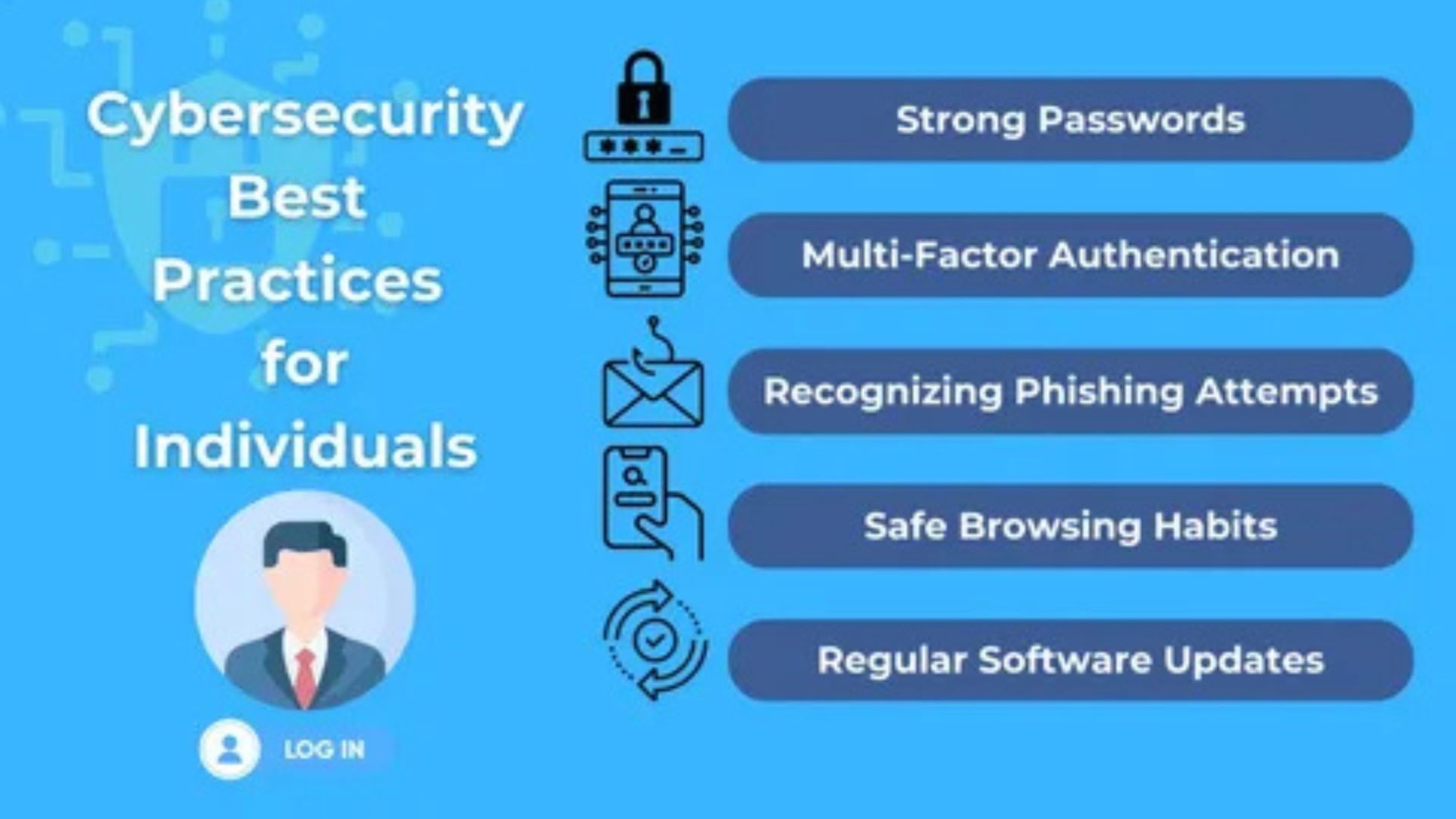
Protecting yourself against AI-powered cryptocurrency fraud requires adopting a multi-layered approach that combines technical safeguards with heightened skepticism and critical thinking. The first essential step involves using hardware wallets for storing substantial cryptocurrency holdings. These physical devices keep private keys offline. Making them immune to phishing attacks and remote compromises. Even if a scammer successfully convinces you to reveal credentials or access codes. They cannot access the actual cryptocurrency if it’s secured in an offline hardware wallet.
Implementing strong password practices remains fundamental to personal cryptocurrency security. Use unique. Complex passwords for each cryptocurrency exchange and wallet service, and store these passwords in a reputable password manager rather than writing them down or using memory. Multi-factor authentication should be enabled on every cryptocurrency account. Using authenticator apps rather than SMS-based authentication when possible. As SIM swap attacks can compromise SMS-based security.
Verification of communications should become habitual. Before clicking links in emails or other messages, independently navigate to official websites by typing URLs directly into your browser. If you receive communications claiming to come from cryptocurrency exchanges or projects. Visit their official website directly and check for any security alerts. Legitimate organizations will post notices about suspected phishing campaigns or fraudulent impersonations on their official websites and social media channels. This practice of independent verification protects you against both traditional phishing and sophisticated AI-generated fraudulent messages.
Institutional and Platform-Level Solutions
Cryptocurrency exchanges and blockchain projects bear significant responsibility for protecting their users against AI-powered fraud. Implementation of advanced machine learning-based fraud detection systems that can identify suspicious behavior patterns. Unusual access requests, and unexpected fund movements can help catch compromised accounts before substantial losses occur. These systems must be continuously updated and refined as fraudsters develop new attack methods and tactics.
Biometric authentication and behavioral analysis can provide additional layers of security. By understanding normal user behavior—typical login times, common devices used to access accounts. Characteristic transaction patterns—blockchain platforms can flag unusual activity that might indicate a compromised account or unauthorized access attempt. Behavioral analytics powered by machine learning can identify deviations from established patterns with impressive accuracy.
Educational initiatives remain critical. Cryptocurrency exchanges and projects should implement mandatory security awareness training for their employees and regular educational campaigns for users. These training programs should specifically address AI-powered threats. Providing concrete examples of how sophisticated scams operate and demonstrating the techniques used to create convincing impersonations and fraudulent communications. By increasing community awareness. The industry can reduce the effectiveness of AI-enhanced attacks even before technical defenses catch them.
Regulatory and Industry Approaches
Government and regulatory bodies have begun to recognize the threat posed by AI-powered cryptocurrency fraud and are developing frameworks to address it. Some jurisdictions are exploring regulations that would require cryptocurrency platforms to implement specific security standards. Including machine learning-based fraud detection and regular penetration testing to identify vulnerabilities. These regulatory approaches aim to establish baseline security practices across the industry.
Industry partnerships and information sharing can amplify protective efforts. When one cryptocurrency platform or project identifies a new AI-powered attack method. Sharing this information with other platforms enables the broader community to implement defenses proactively. Collaborative threat intelligence networks allow security professionals to identify emerging patterns and coordinate responses before attacks cause widespread damage.
The Future of Cryptocurrency Security
As artificial intelligence technology continues to advance. Both the offensive and defensive capabilities in the cryptocurrency space will become more sophisticated. The Solana Foundation’s warning represents a critical acknowledgment that the industry must adapt its security posture to address these emerging threats. The development of AI-powered defense systems will likely become as important as the technical security of blockchain protocols themselves.
Investment in security research and development by cryptocurrency projects and platforms is essential to maintaining the integrity of the digital finance ecosystem. As scammers employ increasingly sophisticated machine learning techniques. The industry must match this sophistication with equally advanced defensive measures. This arms race between offensive and defensive AI technologies will likely define the security landscape of cryptocurrency for years to come.
Conclusion
The Solana Foundation CISO’s warning about AI-powered cryptocurrency scams represents a crucial wake-up call for the entire blockchain industry. Artificial intelligence is making crypto scams more convincing by enabling fraudsters to craft personalized phishing messages. Create deepfake impersonations, and execute sophisticated social engineering attacks that exploit human psychology rather than technical vulnerabilities. These threats pose a genuine risk to cryptocurrency investors. From individuals holding modest portfolios to institutional players managing substantial digital assets.
However, this warning need not inspire panic. By understanding how AI enhances cryptocurrency fraud. Implementing robust personal security practices, and supporting institutional and regulatory initiatives designed to combat these threats. The cryptocurrency community can develop resilience against AI-powered attacks. Protection against sophisticated crypto scams requires vigilance, skepticism, and a willingness to adopt new security practices as threats evolve. The future of cryptocurrency security depends on our collective ability to stay ahead of fraudsters and maintain the trust that underlies digital finance. By heeding the Solana Foundation’s warning and taking proactive protective measures. Investors and institutions can significantly reduce their vulnerability to these increasingly convincing and dangerous attacks.