XRP Price Drop: CLARITY Act Vote Delayed to September
XRP fell 2% as Senate delays CLARITY Act vote to September. Learn why this digital asset regulation matters and what's next for crypto market sentiment.

The cryptocurrency market experienced a notable shift in late August 2026 when XRP price declined 2% amid expectations that the Senate would postpone voting on the Digital Asset Market Clarity Act until September. This regulatory uncertainty has become a central theme in crypto trading circles, with investors closely monitoring the legislative timeline. The CLARITY Act, formally known as H.R. 3633, represents a pivotal piece of digital asset regulation that could fundamentally reshape how the United States oversees cryptocurrencies. Understanding the connection between regulatory news and XRP market performance is essential for anyone investing in digital assets or monitoring the broader crypto landscape.
The postponement wasn’t merely a procedural delay—it signaled deeper political divisions around cryptocurrency oversight and ethics provisions tied to presidential conflicts of interest. As Senate Majority Leader John Thune confirmed, lawmakers would not vote on the bill before their August recess, pushing consideration to mid-September when the chamber reconvenes. This decision immediately impacted XRP price movements, which fell 5.5% over the course of the week, making it the weakest performer among major cryptocurrencies. For investors tracking digital asset value, this price action underscores how legislative timelines directly influence token valuations and market sentiment.
The CLARITY Act: Defining Cryptocurrency Regulation
The Digital Asset Market Clarity Act serves a critical function: it defines which federal regulator oversees which types of digital assets in the United States. Currently, regulatory jurisdiction remains fragmented between the Securities and Exchange Commission (SEC) and the Commodity Futures Trading Commission (CFTC), creating confusion for both market participants and issuers. This ambiguity has persisted for years, with projects like Ripple’s XRP navigating an uncertain legal landscape regarding whether they constitute securities or commodities.
The bill’s primary objective is to establish clarity—hence its name—by creating a framework that prevents regulatory overlap and confusion. Assets classified as digital commodities would fall under the CFTC’s jurisdiction, while assets determined to be digital securities would remain under the SEC’s purview. This distinction matters enormously because classification directly impacts how projects can operate, which exchange-traded funds (ETFs) they can access, and how institutions can hold them. For XRP and digital asset management, the CLARITY Act represents potential legitimacy that institutions demand before committing significant capital to the sector.
The Senate Banking Committee advanced the bill with strong support on May 14, 2026, passing it 15-9 with all 13 Republicans and two Democrats voting in favor. Within hours of that vote. XRP price surged 6.6%, demonstrating how cryptocurrency market reaction to regulatory progress can be immediate and substantial. This momentum created expectations among traders that passage would follow relatively quickly. However, subsequent events would dramatically alter that timeline and market sentiment.
Why the Senate Postponed the Vote
The Senate’s decision to postpone the CLARITY Act vote stemmed from multiple complications. With the primary sticking point involving ethics provisions. Democrats refused to grant the unanimous consent agreement that would have allowed the Senate to vote before recess. Insisting that negotiations on remaining issues continue first. According to reporting on the delay. The opposing party made it clear: no time agreement meant no vote before August break.
Political and Ethics Complications
The ethics fight centers on concerns about Trump family cryptocurrency ventures. Which generated enormous income in 2025. Financial disclosures revealed approximately $1.4 billion in crypto-related income for President Trump in 2025. Including $635 million from licensing the $TRUMP meme coin and more than $500 million from World Liberty Financial token sales. This financial intersection between presidential interests and crypto regulation created a political minefield that delayed legislative action.
Democrats argued for stricter provisions preventing federal officials from issuing or sponsoring new digital assets while in office. Republicans countered with modified language, but Democrats contended that proposed ethics language fell short of meaningful protections. The Senate Banking Committee attempted to resolve this by proposing ethics language. But Democrats and some Republicans, including Senator Thom Tillis, maintained that the measures didn’t go far enough. . Without movement on ethics, illicit finance concerns, and stablecoin yield regulations. Cloture votes would fail, meaning leadership couldn’t end debate and move to a final vote.
The Mathematics of Passage
The CLARITY Act requires 60 votes to pass the Senate, and as of early August. It was unclear whether the bill even had 50 confirmed votes. Republican senators publicly announced opposition. While Democrats leveraged their voting power to demand concessions. This mathematical reality meant that leadership couldn’t risk calling a vote without confidence in the outcome. Senate Majority Leader John Thune declined to file a cloture motion, the procedural step that would start a countdown to a final vote. Filing a failed cloture motion would place every senator on record voting against the bill, providing ammunition to opponents for the remainder of the year.
Market Impact: XRP Price Reaction to Regulatory Uncertainty
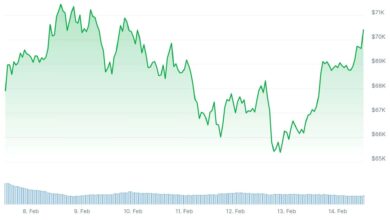
The connection between regulatory news and XRP price movements illustrates how digital asset valuation responds to legislative developments. When the Senate confirmed there would be no August vote, XRP price fell over 2% on the day to $1.02 and declined 5.5% over the course of the week. Nnderperforming other major cryptocurrencies. This reaction wasn’t surprising—traders had priced in optimism about imminent passage. The postponement represented a meaningful setback to those expectations.
Institutional Demand and Regulatory Clarity
The reason XRP holders await regulatory certainty extends beyond simple legal compliance. Institutions demand permanence before committing capital to digital assets. Since regulatory agencies can rewrite rules and future administrations can reverse existing policy. While the SEC and CFTC jointly classified XRP among 16 major assets as digital commodities via a March 2026 rule. That classification exists under administrative authority rather than statutory law. The CLARITY Act would cement this classification in legislation. Providing the permanence institutions require before deploying billions into crypto-focused investment strategies.
This distinction explains why XRP price dynamics remain tethered to CLARITY Act progress. Each positive development—committee approval. Media coverage suggesting likely passage—lifts digital asset value as traders anticipate institutional inflows. Conversely, delays and legislative complications trigger selling pressure. The August postponement signaled that passage would take longer than expected. Potentially pushing final action into October or even later in the legislative calendar.
Diminishing Market Expectations
The market’s confidence in CLARITY Act passage has deteriorated significantly as delays mounted. Traders on Kalshi had given the bill an 82% probability of passing in early May, but by August those odds fell to just 14%. On Polymarket, where betting runs through mid-2027. The odds improved slightly to 41%, but this still represents a dramatic decline from over 70% early in the summer. These shifting probabilities reflect genuine uncertainty about whether remaining political obstacles can be overcome.
The weakening odds explain why XRP price failed to recover to previous levels despite broader market strength in other cryptocurrencies. Bitcoin held near $64,300 and Ethereum remained relatively flat. But XRP bore the weight of regulatory uncertainty. Traders are essentially pricing in a scenario where the CLARITY Act either fails or faces indefinite delay. Leaving the regulatory status quo in place but without the institutional legitimacy that statutory confirmation would provide.
Timeline and Remaining Hurdles for September

The Senate returns on September 14, 2026, with only three weeks to address the CLARITY Act before recessing for midterm campaign season. Within this narrow window, lawmakers must resolve ethics disputes. Address illicit finance safeguards, and handle stablecoin regulation concerns. These aren’t minor adjustments—they represent substantive policy questions with political consequences.
The September Window
Assuming Democrats and Republicans can reach compromise on ethics language. The Senate would need to schedule cloture, hold debate, and pass the bill before attention shifts to midterm politics. The timeline becomes even tighter when considering that the Senate’s version differs from the House-passed text in July 2025. This mismatch means the bill would need to return to the House for another vote before reaching the President’s desk, and both actions must occur within the September-October working days. 24/7 Wall St. The Senate has only 14 working days across September and October before senators leave to campaign, making passage a true race against the clock.
Potential Scenarios
History provides some hope for CLARITY Act supporters. The GENIUS Act lost its initial cloture vote before passing weeks later. Suggesting that a blocked vote needn’t represent permanent failure. beincrypto.com However, the midterm election calendar creates genuine time pressure. If the bill doesn’t advance by late September. It likely won’t see action until after November elections—and a potential new Congress would restart the legislative process entirely.
Senator Cynthia Lummis indicated expectations that the chamber might sit past Friday and into weekends during September to accommodate the backlog. Senate Banking Committee Chairman Tim Scott suggested a first vote remains possible if leadership delays the recess. However, these scenarios require Senate Majority Leader John Thune to file the cloture motion—a decision he hasn’t yet made, signaling remaining uncertainty about vote counts.
Broader Crypto Market Sentiment and Digital Asset Outlook
Beyond XRP price movements, the CLARITY Act’s uncertain status shapes sentiment across the entire digital asset market. beincrypto.com Bitcoin hovered near $64,300 as spot Bitcoin ETFs took in approximately $626 million between August 3 and August 5, providing some price support in the $63,000 to $64,000 range. However, this inflow hasn’t been sufficient to break through resistance near $66,000 to $66,600. Suggesting traders remain cautious pending clarification on broader regulatory direction.
The regulatory uncertainty extends beyond the CLARITY Act itself. The SEC and CFTC are preparing alternative regulatory frameworks under “Project Crypto” to offer direct oversight to DeFi actors and token issuers. Creating parallel pathways for cryptocurrency regulation that could develop regardless of CLARITY Act status. For digital asset market participants. This situation creates both opportunity and risk—the potential for clear rules if CLARITY passes. But also the threat of unilateral regulatory action if legislation stalls.
Institutional adoption of cryptocurrency remains contingent on clearing these regulatory hurdles. Major asset managers, pension funds, and traditional financial institutions monitor legislative progress carefully. The narrative around crypto investment has shifted from “if regulation” to “when and how regulation,” making the specific form of digital asset oversight increasingly critical to mainstream adoption timelines.
Conclusion
The postponement of the CLARITY Act vote to September represents a significant moment in cryptocurrency regulatory development. With direct implications for XRP price trends and broader digital asset market sentiment. The 2% decline in XRP price alongside broader weakness in the token reflected trader disappointment with delayed passage and growing skepticism about whether the bill will ultimately clear the Senate before year-end. Political divisions around ethics language. Concentrated authority between regulators, and competitive dynamics between digital asset classes have created genuine obstacles to passage.
For investors and digital asset stakeholders. The September vote presents a crucial juncture. Passage of the CLARITY Act would provide statutory confirmation of digital asset classification. Potentially unlocking institutional investment flows and solidifying regulatory legitimacy. Failure or further delay would reinforce uncertainty, likely depressing XRP valuation and slowing broader crypto market adoption. The narrow September window—just three weeks before midterm politics dominate the legislative agenda—creates genuine time pressure. Even if recent precedent suggests failed votes needn’t mean permanent defeat.
XRP holders should monitor Senate leadership’s cloture filing decisions. Ongoing negotiations around ethics provisions, and broader legislative calendars as September approaches. The coming weeks will likely determine whether the cryptocurrency market gains the regulatory clarity it has long sought or faces continued uncertainty. Until then. Digital asset prices will likely remain sensitive to legislative headlines and political developments shaping the regulatory landscape.
FAQs
Q . Why does the CLARITY Act matter for XRP specifically?
The CLARITY Act would provide statutory confirmation that XRP qualifies as a digital commodity under federal law. Cacation matters enormously to institutions seeking legal permanence before committing capital to XRP. Without such clarity, institutions worry that future administrations or regulatory agencies might reverse the current classification, creating legal and financial risk.
Q . What happens to XRP if the CLARITY Act fails to pass this year?
If the CLARITY Act fails to pass, XRP would remain classified as a digital commodity under the joint SEC-CFTC rule from March 2026, and this classification stays in force. However, the lack of statutory confirmation means that institutions remain uncertain about the permanence of this protection. This uncertainty typically weighs on digital asset valuations compared to scenarios where statutory law provides clear protections. XRP price would likely continue facing headwinds from unresolved regulatory questions.
Q . When will the Senate vote on the CLARITY Act?
Senate Majority Leader John Thune confirmed the vote will occur no earlier than September 14, 2026, when lawmakers return from their August recess. However, no cloture motion has been filed, and significant political obstacles remain around ethics provisions. The September vote is not guaranteed—it depends on Senate leadership deciding to schedule debate and sufficient votes materializing to overcome a 60-vote threshold for passage.
Q . What does the CLARITY Act do with digital assets besides XRP?
The CLARITY Act splits oversight of digital assets between two regulatory agencies: the Commodity Futures Trading Commission (CFTC) handles digital commodities, while the Securities and Exchange Commission (SEC) oversees digital securities. This framework applies to all cryptocurrencies and tokens. Establishing which agency can regulate different types of digital assets. The legislation aims to eliminate regulatory overlap and provide clarity for the entire cryptocurrency market, not just XRP.
Q . How do ethics provisions affect the CLARITY Act?
Democrats have demanded strict ethics language preventing federal officials from issuing or sponsoring new digital assets while in office. This language responds to President Trump’s substantial crypto ventures. Which generated $1.4 billion in income during 2025. Without agreement on ethics language that satisfies both parties. Senate Democrats indicated they wouldn’t consent to a voting schedule. Effectively preventing the bill from reaching a final vote before the August recess. This political dispute remains the primary obstacle to passage.