Institutional Blockchain Adoption Gains Momentum in 2026
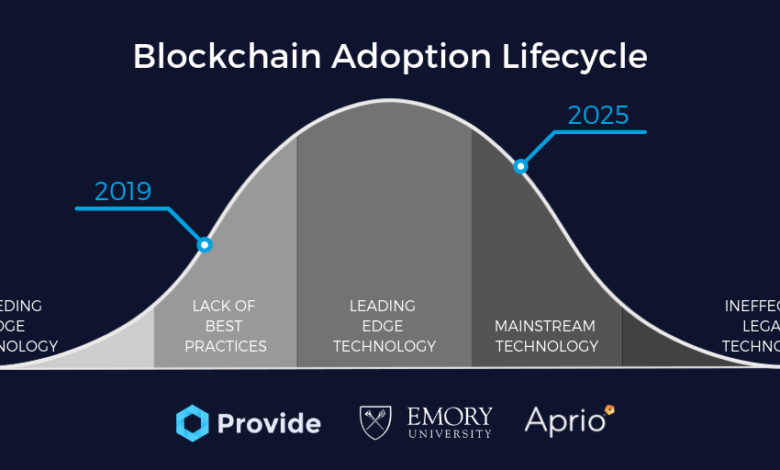
The global financial and technology landscape is witnessing a remarkable transformation as institutional blockchain adoption gains momentum across multiple industries. Once considered an experimental technology primarily associated with cryptocurrencies, blockchain has evolved into a trusted infrastructure that supports secure transactions, transparent record-keeping, and efficient digital operations. Today, major banks, investment firms, insurance companies, governments, healthcare providers, and multinational corporations are increasingly integrating blockchain into their daily business processes.
Institutional investors have recognized that blockchain offers far more than digital assets. The technology enables faster settlement systems, enhanced cybersecurity, lower operational costs, improved compliance, and greater transparency throughout complex financial ecosystems. As regulatory frameworks mature and enterprise-grade blockchain platforms become more sophisticated, organizations are moving beyond pilot programs toward large-scale implementation.
The growing confidence among institutions is also encouraging collaboration between traditional financial systems and decentralized technologies. From tokenized assets and smart contracts to distributed ledger technology (DLT) and digital identity management, blockchain is becoming a strategic investment rather than a speculative trend.
Why Institutional Blockchain Adoption Gains Momentum
Institutional blockchain adoption has accelerated significantly over the past few years due to increasing confidence in blockchain’s ability to solve real-world business challenges. Unlike retail investors who often focus on cryptocurrency trading, institutions seek long-term operational efficiency, transparency, and security. Organizations have discovered that blockchain minimizes reliance on intermediaries while providing immutable records of every transaction. This dramatically reduces fraud, improves auditing capabilities, and enhances trust between stakeholders.
Another key driver is the rapid digital transformation occurring worldwide. Companies are modernizing outdated infrastructure and embracing innovative technologies that improve productivity. Blockchain complements artificial intelligence, cloud computing, and big data analytics by providing a secure foundation for digital ecosystems. The availability of enterprise blockchain solutions has further accelerated adoption. Businesses now have access to permissioned blockchain networks that offer scalability, privacy controls, and regulatory compliance without sacrificing decentralization.
The Growing Role of Blockchain in Financial Institutions
Financial institutions remain the largest adopters of blockchain technology. Banks, asset managers, hedge funds, payment providers, and investment firms are leveraging blockchain to streamline operations and improve customer experiences.
Traditional banking systems often rely on multiple intermediaries, creating delays and increasing transaction costs. Blockchain enables near-instant settlement by recording transactions on a shared distributed ledger that all authorized participants can access. Cross-border payments have become significantly faster and less expensive through blockchain-powered payment networks. Financial institutions can process international transfers within minutes instead of several business days.
Asset tokenization is another area attracting institutional interest. Real estate, stocks, bonds, commodities, and private equity investments can now be represented digitally on blockchain networks. This increases liquidity while making investment opportunities more accessible. Many financial institutions are also investing in digital asset custody, allowing clients to securely store cryptocurrencies and tokenized assets using enterprise-grade security standards.
Enterprise Blockchain Solutions Continue to Mature
The rapid improvement of enterprise blockchain platforms has played a major role in institutional adoption. Early blockchain systems struggled with scalability, transaction speed, and interoperability. Today’s enterprise solutions have addressed many of these limitations.
Modern blockchain networks support thousands of transactions per second while maintaining high levels of security and transparency. Permissioned blockchains provide organizations with greater control over data access while complying with industry regulations.
Businesses can integrate blockchain with existing enterprise resource planning (ERP) software, customer relationship management (CRM) platforms, and cloud infrastructure without replacing their current systems entirely. These advancements reduce implementation risks and make blockchain more attractive for organizations seeking gradual digital transformation.
Smart Contracts Are Revolutionizing Business Operations
One of blockchain’s most powerful innovations is the emergence of smart contracts. These self-executing digital agreements automatically perform contractual obligations once predefined conditions are met. Institutions use smart contracts to automate loan approvals, insurance claims, trade settlements, procurement processes, supply chain management, and legal agreements.
Automation reduces administrative costs while eliminating human errors commonly associated with manual contract processing. Every action is permanently recorded on the blockchain, creating transparent audit trails that improve accountability. As organizations continue adopting automation technologies, smart contracts are expected to become a standard component of enterprise workflows.
Institutional Investment in Digital Assets
Institutional participation in digital assets has expanded well beyond cryptocurrency speculation. Pension funds, sovereign wealth funds, family offices, insurance companies, and asset managers increasingly allocate capital toward blockchain-related investments.
Many institutions are investing directly in Bitcoin and other digital assets as portfolio diversification tools. Others focus on blockchain infrastructure companies, decentralized finance platforms, tokenization projects, and blockchain software providers. Institutional demand has also encouraged the development of regulated investment products, allowing organizations to gain blockchain exposure while meeting compliance requirements. This growing investment demonstrates increasing confidence in blockchain’s long-term economic potential.
Blockchain Improves Security and Transparency
Security remains one of blockchain’s strongest advantages for institutional users. Every transaction recorded on a blockchain is cryptographically secured, making unauthorized modifications nearly impossible. Organizations handling sensitive financial data, medical records, legal documents, or intellectual property benefit from blockchain’s tamper-resistant architecture.
Transparency is equally valuable. Authorized participants can verify transactions independently without relying on centralized databases. This improves trust among customers, regulators, auditors, and business partners. Blockchain also reduces cybersecurity risks associated with single points of failure because distributed networks eliminate dependence on one central server.
Regulatory Clarity Encourages Adoption
One of the biggest reasons institutional blockchain adoption gains momentum is improving regulatory certainty. Governments worldwide are gradually developing legal frameworks that define digital assets, blockchain-based financial products, anti-money laundering requirements, and investor protection measures.
Regulatory clarity gives institutions greater confidence when investing in blockchain infrastructure. Businesses can build long-term strategies knowing compliance expectations are becoming more standardized. Financial regulators are also experimenting with blockchain for reporting, settlement, identity verification, and central bank digital currencies, further validating the technology.
Blockchain and Supply Chain Transformation
Supply chain management has emerged as another major application of blockchain technology. Manufacturers, retailers, logistics providers, and distributors use blockchain to track products throughout their entire lifecycle. Every shipment, inspection, certification, and ownership transfer is permanently recorded on the blockchain, reducing fraud while improving product authenticity.
Consumers increasingly value transparency regarding product origins, sustainability practices, and ethical sourcing. Blockchain provides verifiable information that builds customer trust. Institutional adoption in supply chain management also reduces paperwork, accelerates customs clearance, and improves inventory management.
Healthcare Institutions Embrace Blockchain
Healthcare organizations are increasingly adopting blockchain to secure patient records and improve information sharing. Hospitals, insurance providers, pharmaceutical companies, and research organizations require secure data exchange while maintaining strict privacy standards. Blockchain enables authorized healthcare providers to access accurate patient information without compromising confidentiality.
Pharmaceutical companies also use blockchain to combat counterfeit medications by verifying every stage of drug manufacturing and distribution. Clinical research benefits from blockchain through secure storage of research data and improved transparency during medical trials.
Tokenization Is Reshaping Traditional Markets
Tokenization has become one of the most exciting developments driving institutional blockchain adoption. Physical and financial assets can be converted into digital tokens representing ownership rights on blockchain networks.
Tokenized real estate enables fractional property ownership, allowing investors to purchase smaller shares rather than entire buildings. Similarly, tokenized bonds, stocks, artwork, commodities, and infrastructure assets improve market liquidity while reducing transaction costs. Institutional investors recognize tokenization as a major innovation capable of transforming global capital markets over the coming decade.
Challenges Slowing Institutional Blockchain Adoption
Although institutional blockchain adoption gains momentum, several challenges remain. Scalability continues to improve but remains a concern for organizations processing millions of daily transactions. Interoperability between different blockchain platforms also presents difficulties. Many enterprise blockchains cannot yet communicate seamlessly with one another. Cybersecurity threats targeting blockchain applications continue evolving despite blockchain’s secure underlying architecture.
Talent shortages represent another obstacle. Organizations require blockchain developers, cybersecurity experts, legal professionals, and compliance specialists with highly specialized skills. Finally, implementation costs remain significant for large enterprises transitioning from legacy systems. Despite these challenges, ongoing innovation continues reducing barriers to adoption.
The Future of Institutional Blockchain Adoption
The future appears exceptionally promising for enterprise blockchain technology. Artificial intelligence will increasingly integrate with blockchain to automate decision-making while maintaining secure and transparent data records. The expansion of central bank digital currencies (CBDCs) may encourage further institutional investment in blockchain infrastructure. Cross-border financial settlements will become faster as global payment systems adopt distributed ledger technology.
Decentralized identity solutions will improve digital authentication while reducing identity theft and fraud. As blockchain standards become more unified, interoperability between enterprise platforms will continue improving, allowing organizations to exchange information more efficiently.
Growing collaboration among governments, technology companies, financial institutions, and regulators is expected to accelerate mainstream blockchain adoption worldwide. Industry experts believe blockchain will become a foundational technology supporting global commerce, financial services, healthcare, logistics, and digital governance throughout the next decade.
Conclusion
The rapid expansion of blockchain technology demonstrates that institutional adoption is no longer a future possibility—it is a present reality. As organizations continue seeking greater efficiency, enhanced security, improved transparency, and lower operational costs, blockchain provides practical solutions capable of transforming traditional business models.
Financial institutions, healthcare providers, supply chain companies, governments, and multinational enterprises are increasingly embracing blockchain as a strategic technology investment. The growing use of smart contracts, distributed ledger technology, asset tokenization, digital identity, and enterprise blockchain platforms highlights the broad range of opportunities available.
While regulatory uncertainty, interoperability, scalability, and implementation costs remain ongoing challenges, technological innovation continues addressing these concerns at a rapid pace. As trust in blockchain grows and enterprise solutions mature, institutional adoption is expected to expand across nearly every major industry.
Ultimately, institutional blockchain adoption gains momentum because organizations recognize blockchain not merely as a cryptocurrency technology but as a transformative digital infrastructure capable of reshaping the future of global business.